01
High Hardness
A hard, silvery-gray transition metal in its pure form.
02
High-Temp Resistance
Stable performance under extreme working conditions.
03
Chemical Stability
Resists attack across corrosive media and atmospheres.
04
Corrosion Resistance
Forms a protective Cr2O3 oxide film on alloy surfaces.
05
Multiple Valence States
Cr³⁺ and Cr⁶⁺ oxidation states underpin chrome chemistry — pigments, chromate conversion coatings and electroplating baths.
Products
Chromium metal, from the source
Chromium metal in compliance with ISO 10387:1994 and GB/T 3211-2023 standards. Aluminothermic lump and block, high-purity powder, vacuum degassed and electrolytic grades.
Chromium Metal Block
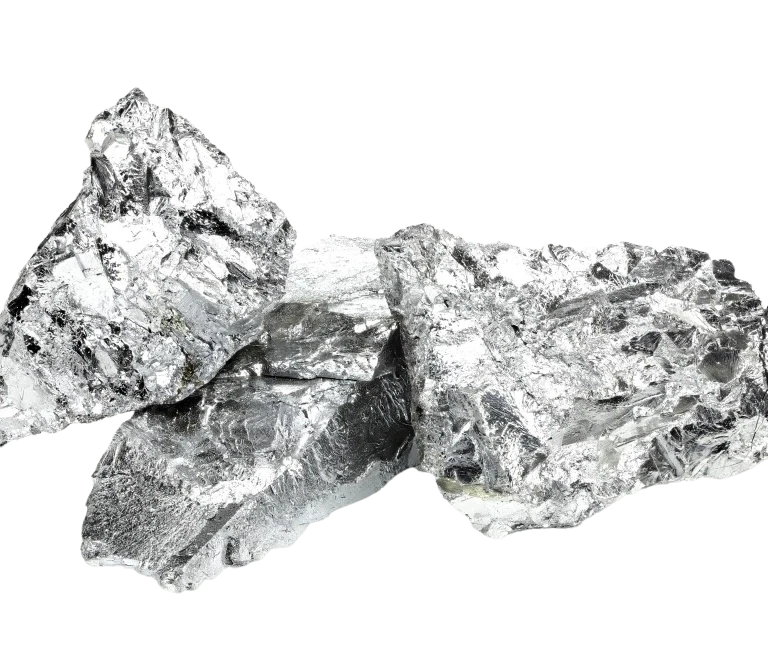
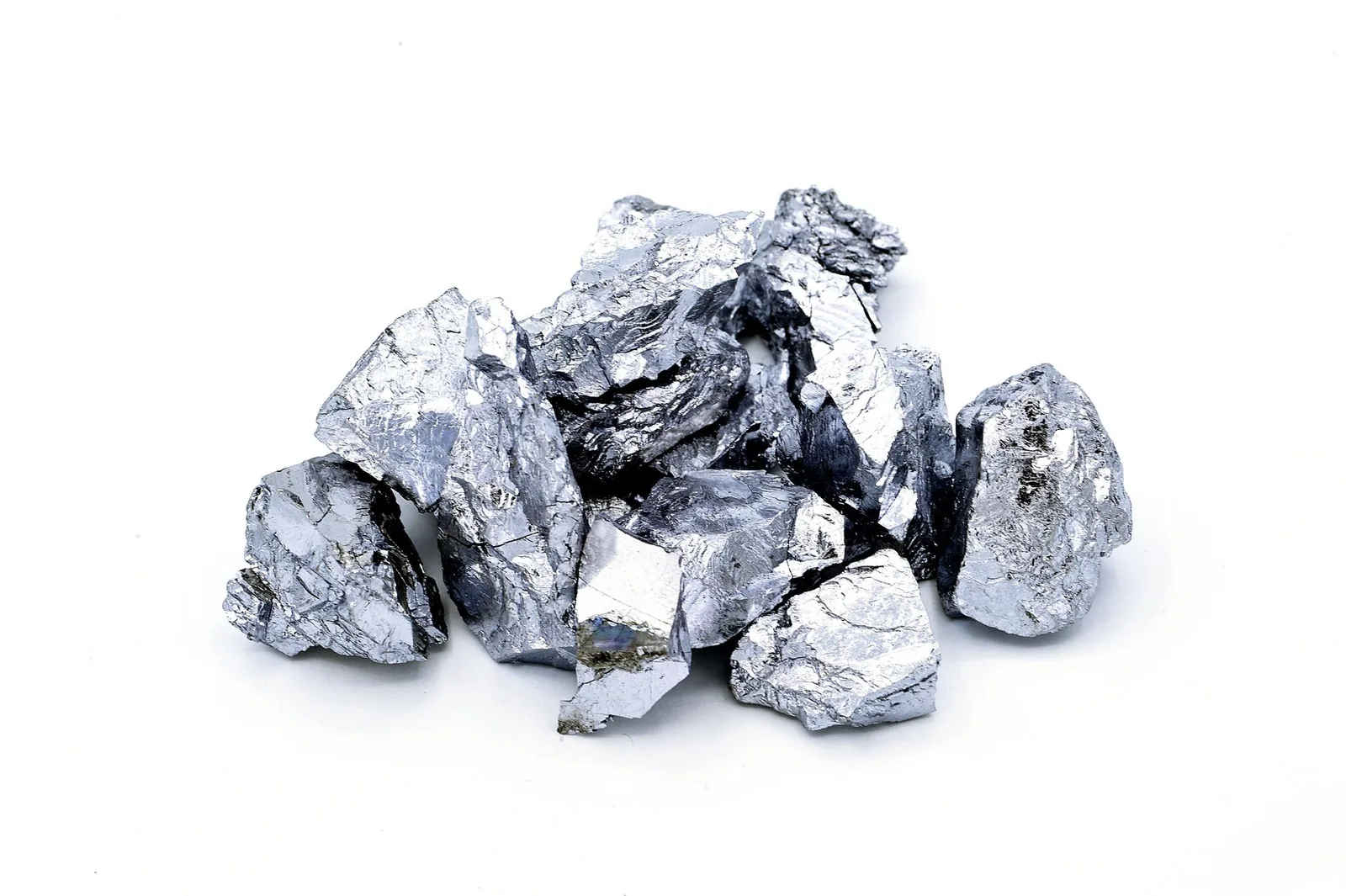
Highly pure chromium metal produced by the aluminothermic method, obtained by melting, cooling, sandblasting, grinding, crushing and sorting of chromium metal in lump form.
Specifications ACMP seriesChromium Metal Powder
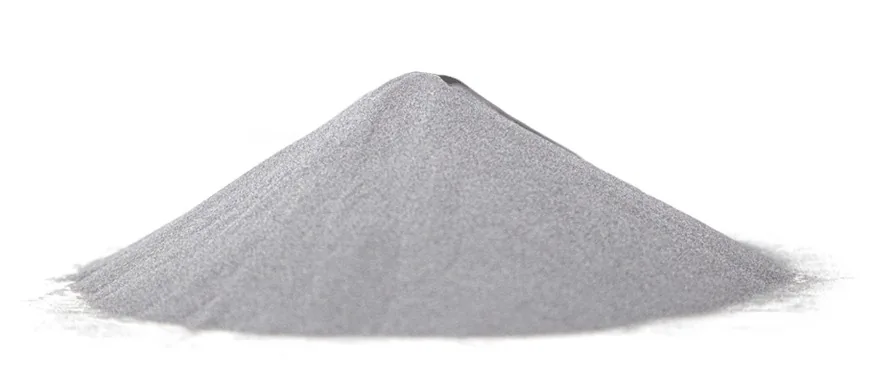
Chromium metal powders by grinding, available in high purity degassed series and standard series. Particle size controllable from 40 μm to 425 μm.
Specifications VGDC seriesVacuum Grade Degassed Chromium
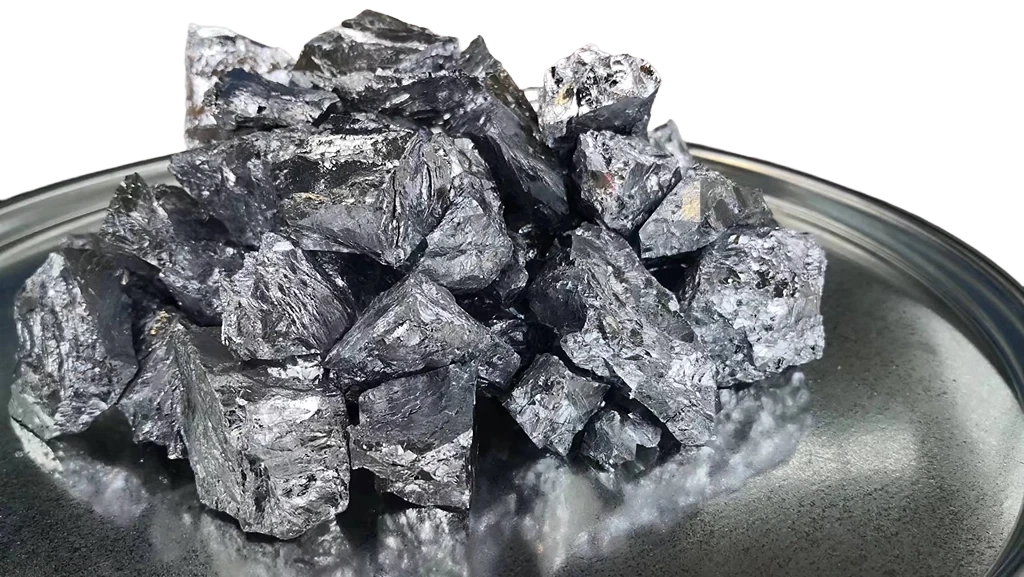
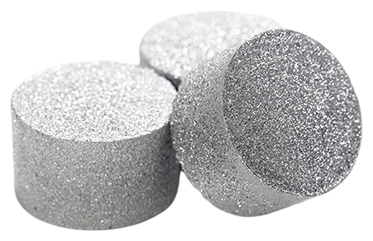
Vacuum degassed chromium block — vacuum deoxidation and denitrification of chromium metal briquettes removes dissolved oxygen and nitrogen, delivering dense, low-gas chromium for superalloys and vacuum melting.
Specifications ECM seriesElectrolytic Chromium Metal
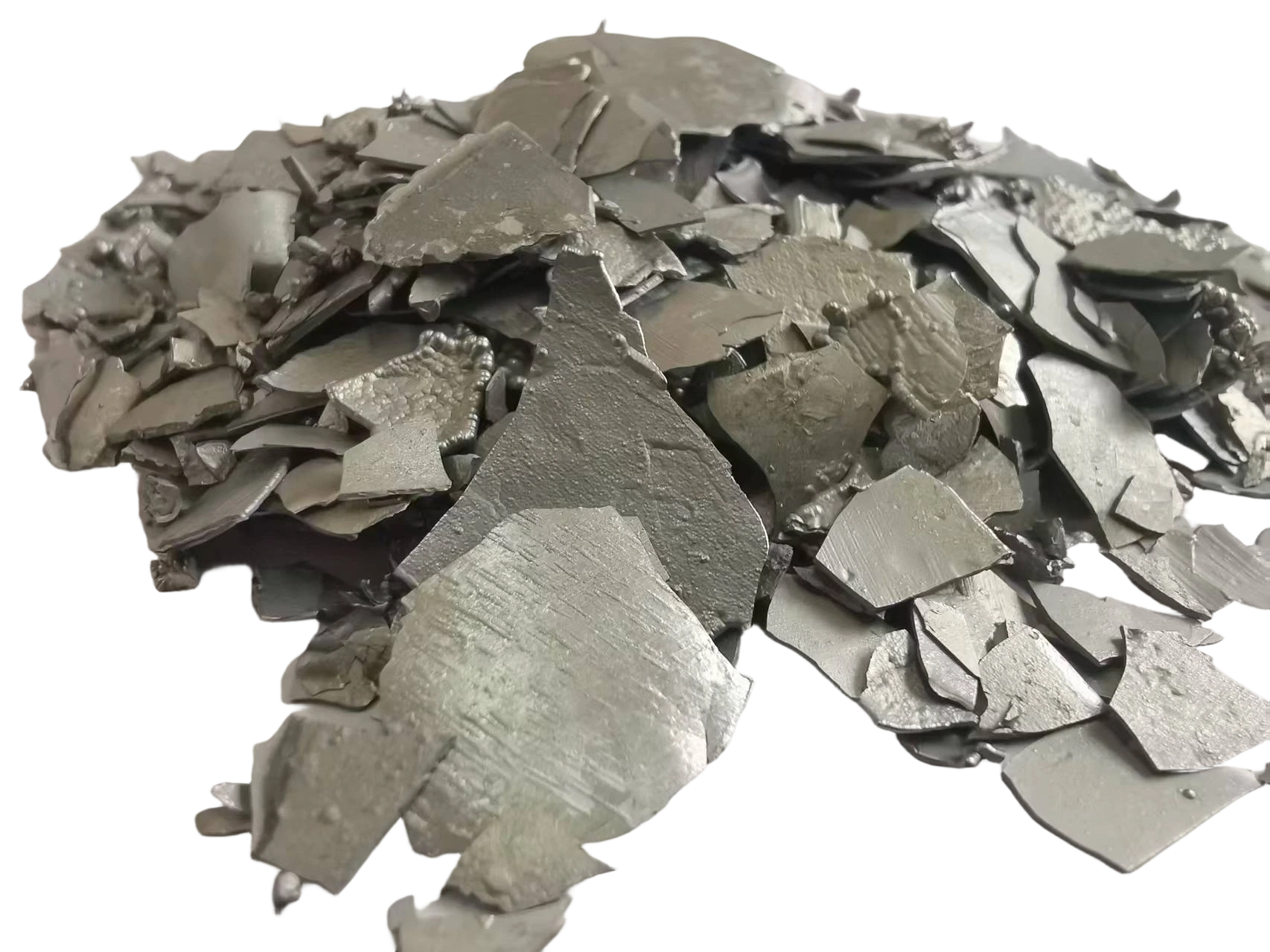
Electrolytic chromium flake — dense, low-gas, high-purity chromium refined by electrolysis, with Cr up to 99.99% for vacuum melting, high-purity superalloys and specialty alloying.
Specifications ACCRChrome Corundum
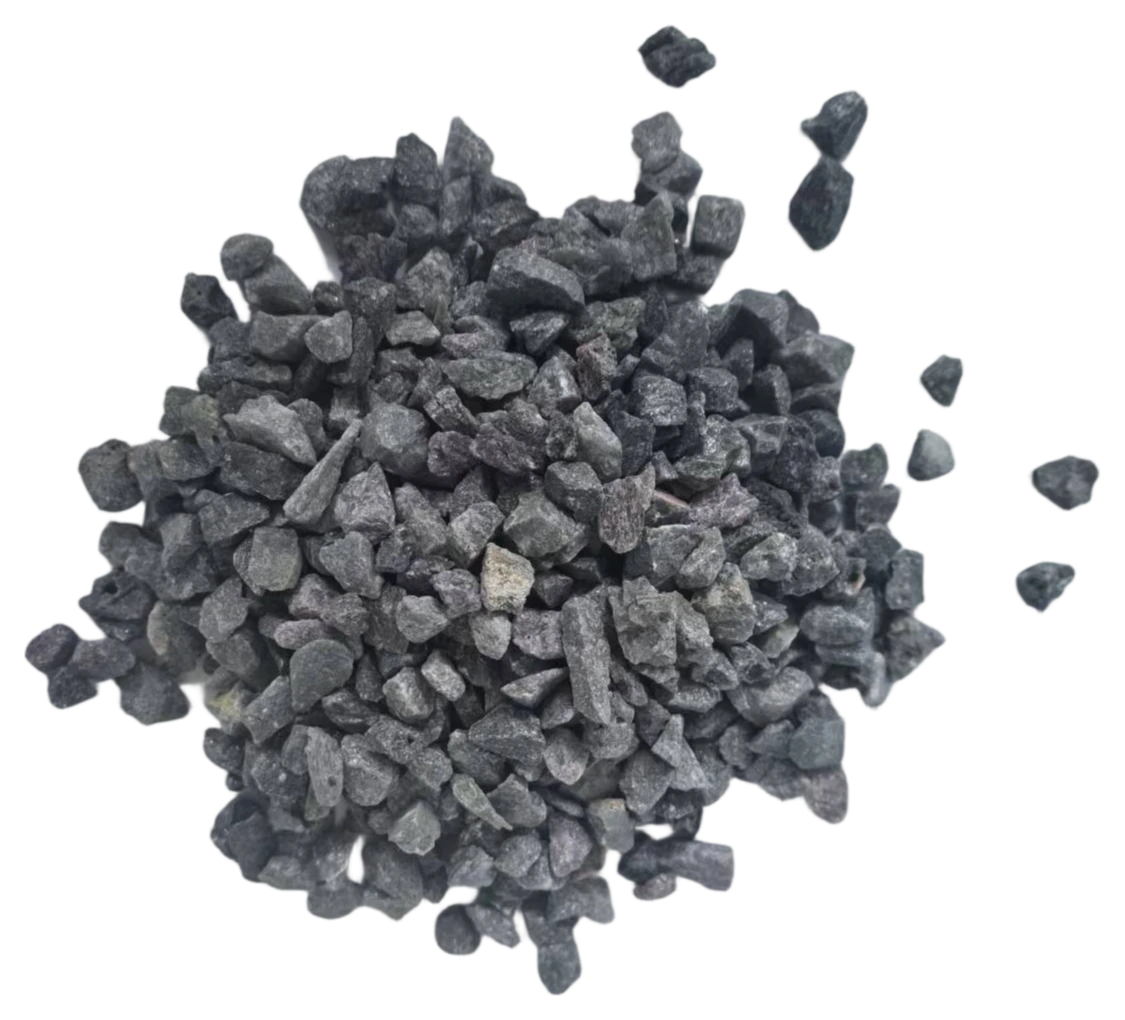
α-(Al,Cr)2O3 solid-solution corundum for abrasives, surface treatment, precision casting, pigments and refractories — primary fused grade ACCR-F and remelted grade ACCR-R, Cr6+ compliant.
SpecificationsChromium Metal Block — ACM Series
We use the thermite method to reduce chromium oxide green to obtain chromium metal. High-content low-impurity metal chromium is smelted by using high-quality low-carbon sulfur chromium oxide green, and a large amount of outer skin impurities are removed through a sandblasting process, and screened in accordance with ISO 565 standards.
| Grade | ACM-994 | ACM-992 | ACM-99A | ACM-99B | ACM-985 | ACM-98 |
|---|---|---|---|---|---|---|
| Designation | JCr 99.4 | JCr 99.2 / ECr99,2 | JCr 99-A / RACr99 | JCr 99-B | JCr 98.5 / ACr98,5 | JCr 98 / ACr98 |
| Metal index | ||||||
| Cr [%] min. | 99.40 | 99.20 | 99.00 | 99.00 | 98.50 | 98.00 |
| Fe [%] max. | 0.12 | 0.25 | 0.30 | 0.40 | 0.50 | 0.80 |
| Si [%] max. | 0.10 | 0.15 | 0.25 | 0.30 | 0.40 | 0.40 |
| Al [%] max. | 0.10 | 0.10 | 0.30 | 0.30 | 0.50 | 0.80 |
| Cu [%] max. | 0.003 | 0.003 | 0.005 | 0.005 | 0.01 | 0.02 |
| P [%] max. | 0.005 | 0.005 | 0.005 | 0.01 | 0.01 | 0.01 |
| Pb [%] max. | 0.0005 | 0.0005 | 0.0005 | 0.0005 | 0.0005 | 0.001 |
| Sn [%] max. | 0.0005 | 0.0005 | 0.001 | 0.001 | 0.001 | 0.001 |
| Sb [%] max. | 0.0008 | 0.0008 | 0.001 | 0.001 | 0.001 | 0.001 |
| Bi [%] max. | 0.0005 | 0.0005 | 0.0005 | 0.001 | 0.001 | 0.001 |
| As [%] max. | 0.0008 | 0.001 | 0.001 | 0.001 | 0.001 | 0.001 |
| Gas index | ||||||
| C [%] max. | 0.01 | 0.01 | 0.01 | 0.01 | 0.03 | 0.05 |
| S [%] max. | 0.002 | 0.005 | 0.008 | 0.02 | 0.02 | 0.03 |
| N [%] max. | 0.01 | 0.01 | 0.02 | 0.03 | 0.05 | – |
| H [%] max. | 0.003 | 0.005 | 0.005 | 0.01 | 0.01 | – |
| O [%] max. | 0.10 | 0.20 | 0.30 | 0.50 | 0.50 | – |
| TESTING — Method of difference · GB/T 4702 | ||||||
Chromium Metal Powder — ACMP Series
Aluminothermic metal chromium powder and (VIGA) vacuum degassed high-purity metal chromium powder. Standard specifications are made from metal chromium powder with low gas impurities obtained by crushing it.
ACMP-9995 / ACMP-9990: VIGA process using high-purity metallic chromium, with low oxygen, low or adjustable nitrogen concentration, spherical particles and extremely low satellite particles. ACMP-9940 through ACMP-9850: standard crushed series. Advanced technology controls powder particle size to 40 μm–425 μm.
| Grade | ACMP-9995 | ACMP-9990 | ACMP-9940 | ACMP-9920 | ACMP-9900 | ACMP-9850 |
|---|---|---|---|---|---|---|
| Series | VIGA degassed | VIGA degassed | Standard | Standard | Standard | Standard |
| Metal index | ||||||
| Cr [%] min. | 99.95 | 99.90 | 99.40 | 99.20 | 99.00 | 98.50 |
| Fe [%] max. | 0.03 | 0.05 | 0.12 | 0.25 | 0.30 | 0.50 |
| Si [%] max. | 0.005 | 0.01 | 0.10 | 0.15 | 0.25 | 0.40 |
| Al [%] max. | 0.005 | 0.01 | 0.10 | 0.10 | 0.30 | 0.50 |
| Cu [%] max. | 0.002 | 0.002 | 0.003 | 0.003 | 0.005 | 0.01 |
| P [%] max. | 0.003 | 0.003 | 0.005 | 0.005 | 0.005 | 0.01 |
| Pb [%] max. | 0.001 | 0.001 | 0.0005 | 0.0005 | 0.0005 | 0.0005 |
| Sn [%] max. | 0.0005 | 0.0005 | 0.0005 | 0.0005 | 0.001 | 0.001 |
| Sb [%] max. | 0.0008 | 0.0008 | 0.0008 | 0.0008 | 0.001 | 0.001 |
| Bi [%] max. | 0.0005 | 0.0005 | 0.0005 | 0.0005 | 0.0005 | 0.001 |
| As [%] max. | 0.001 | 0.001 | 0.0008 | 0.001 | 0.001 | 0.001 |
| Gas index | ||||||
| C [%] max. | 0.01 | 0.01 | 0.01 | 0.01 | 0.01 | 0.03 |
| S [%] max. | 0.002 | 0.002 | 0.002 | 0.005 | 0.008 | 0.02 |
| N [%] max. | 0.005 | 0.005 | 0.01 | 0.01 | 0.02 | 0.05 |
| H [%] max. | 0.002 | 0.002 | 0.003 | 0.005 | 0.005 | 0.01 |
| O [%] max. | 0.03 | 0.03 | 0.10 | 0.20 | 0.30 | 0.50 |
| TESTING — Method of difference · GB/T 4702 | ||||||
Vacuum Grade Degassed Chromium
Vacuum degassed chromium block — produced by vacuum deoxidation and denitrification of aluminothermic chromium metal briquettes. The treatment removes dissolved oxygen and nitrogen from the metal, delivering dense, low-gas chromium blocks for superalloys and vacuum melting processes where gas-sensitive compositions demand clean, reliable input material.
| Grade | VGDC-9995 | VGDC-9990 | VGDC-9980 | VGDC-9970 | VGDC-9950 |
|---|---|---|---|---|---|
| Metal index | |||||
| Cr [%] min. | 99.95 | 99.90 | 99.80 | 99.70 | 99.50 |
| Fe [%] max. | 0.04 | 0.05 | 0.10 | 0.15 | 0.15 |
| Si [%] max. | 0.006 | 0.01 | 0.01 | 0.10 | 0.15 |
| Al [%] max. | 0.006 | 0.01 | 0.01 | 0.10 | 0.15 |
| Cu [%] max. | 0.002 | 0.002 | 0.002 | 0.002 | 0.002 |
| P [%] max. | 0.003 | 0.003 | 0.003 | 0.003 | 0.003 |
| Pb [%] max. | 0.001 | 0.001 | 0.001 | 0.001 | 0.001 |
| Gas index & residue | |||||
| O [%] max. | 0.03 | 0.05 | 0.05 | 0.05 | 0.05 |
| N [%] max. | 0.002 | 0.002 | 0.002 | 0.002 | 0.002 |
| C [%] max. | 0.02 | 0.02 | 0.02 | 0.02 | 0.02 |
| S [%] max. | 0.002 | 0.002 | 0.002 | 0.002 | 0.002 |
| HCl insol. [%] max. | 0.05 | 0.08 | 0.10 | 0.15 | 0.20 |
Electrolytic Chromium Metal
Electrolytic chromium flake — dense, low-gas, high-purity chromium refined by electrolysis, with chromium content up to 99.99% and extremely low metallic and gas impurities. It is the preferred raw material for vacuum melting, high-purity superalloys, sputtering targets and other specialty alloying applications where purity is critical.
| Grade | ECM-9999 | ECM-9995 |
|---|---|---|
| Metal index | ||
| Cr [%] min. | 99.99 | 99.95 |
| Fe [%] max. | 0.003 | 0.01 |
| Al [%] max. | 0.003 | 0.01 |
| Si [%] max. | 0.002 | 0.005 |
| Cu [%] max. | 0.0003 | 0.0005 |
| P [%] max. | 0.0015 | 0.003 |
| Pb [%] max. | 0.0002 | 0.0005 |
| Gas index | ||
| S [%] max. | 0.003 | 0.0005 |
| C [%] max. | 0.012 | 0.02 |
| N [%] max. | 0.002 | 0.003 |
| O [%] max. | 0.01 | 0.02 |
| NOTE — The chromium mass fraction is the remainder: 100% minus the sum of the six measured impurities Fe, Si, Al, Cu, P and Pb (method of difference). | ||
Chrome Corundum — ACCR Series
A continuous homogeneous solid solution of α-(Al,Cr)2O3 for abrasives, surface treatment, precision casting, pigments and refractories. ACCR-F is the primary fused grade; ACCR-R is a remelted grade with lower Cr2O3. Water-soluble Cr6+ ≤0.03%, compliant with GB 30770-2014.
| Grade | ACCR-F | ACCR-R |
|---|---|---|
| Chemical index | ||
| Cr2O3 [%] | 12–18 | 4–8 |
| Al2O3 [%] | 78–85 | 86–90 |
| Fe2O3 [%] max. | 0.8 | 0.5 |
| Na2O + K2O [%] max. | 1.5 | 0.8 |
| CaO + MgO [%] max. | 0.1 | 1.5 |
| SiO2 [%] max. | 0.5 | 1.0 |
| Physical index | ||
| Density [g/cm3] | 3.70–3.80 | 3.65–3.72 |
| Particle size | 3–5 mm · 100 mesh–8 mm | 3–5 mm · 100 mesh–8 mm |
| Application focus | ||
| Typical uses | Abrasives · casting · pigments | Sandblasting · floors · castables |
| NOTE — Testing per ISO 4621-1986; COA issued for every lot. ACCR-R is a remelted grade with lower Cr2O3. Water-soluble Cr6+ ≤0.03% (GB 30770-2014). Custom particle sizes on request. | ||
Why chromium
The core of every superalloy
Chromium metal is the core foundational component of various superalloys. Its outstanding corrosion resistance and high-temperature resistance endow the alloys with stable adaptability under extreme working conditions — even in harsh environments such as high temperature, high pressure, or corrosive media, chromium-containing superalloys can still maintain structural integrity and stable performance.
01 — Alloying role
Chromium is a brittle metal that cannot be used alone as a structural material due to its inherent brittleness. Instead, it is frequently smelted with metals such as iron, cobalt, nickel, tungsten, titanium, aluminum, and copper to form alloys—these specialized engineering alloys inherit chromium’s strengths, boasting excellent heat resistance, high mechanical strength, and superior wear resistance, making them indispensable for demanding industrial applications.
02 — Oxide film
Within the high-temperature alloy matrix, chromium’s most important role is to form a Cr2O3-type oxide film, giving superalloy components excellent oxidation and corrosion resistance.
03 — Oxidation & hot corrosion
Across 15 wrought superalloys we examined, oxidation weight gain clearly decreases as the chromium content rises — despite very different alloy matrices and widely varying levels of other alloying elements. The same trend holds under hot corrosion: as the chromium content increases, the maximum corrosion depth of the alloy keeps falling and hot-corrosion resistance keeps improving.
Applications of chromium metallic
Where chromium performs under pressure

Aircraft engine
Chromium-rich nickel superalloys form a protective Cr2O3 film that keeps blades and discs stable at extreme operating temperatures.
Turbine bladesTurbine discsCombustor parts Read article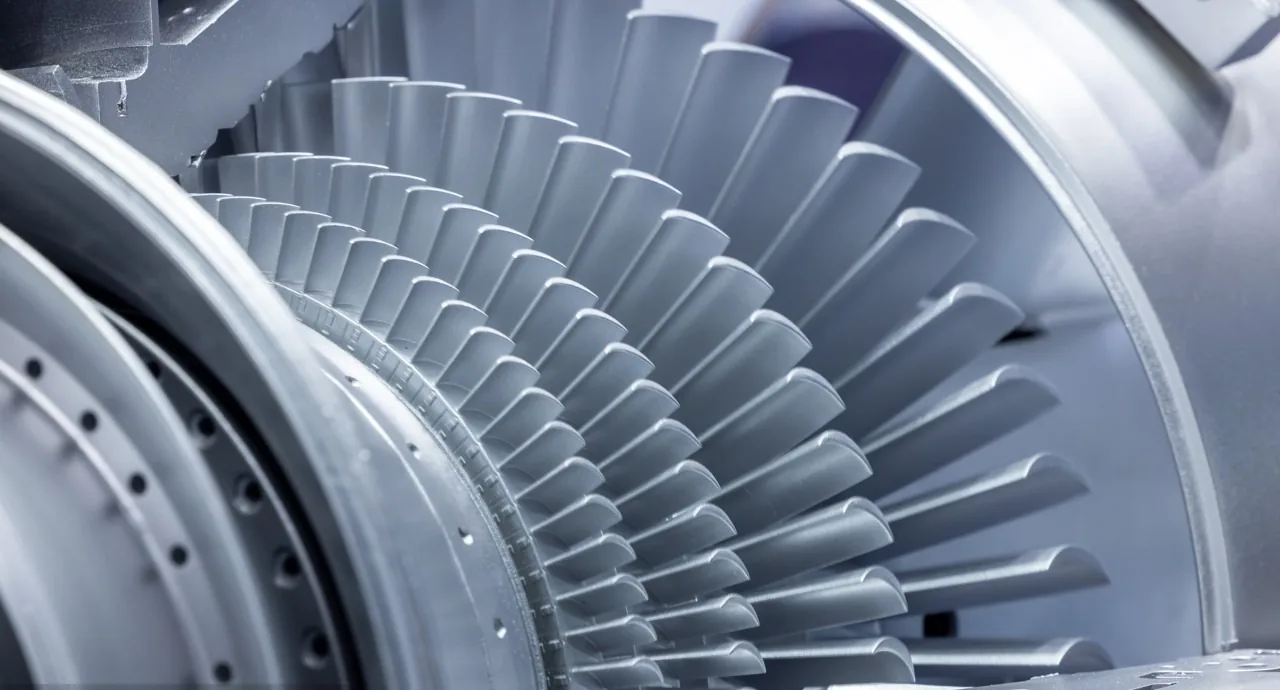
Turbine
Chromium raises oxidation and hot-corrosion resistance, extending the service life of land-based gas turbines.
Gas-turbine bladesVanesCombustion liners Read article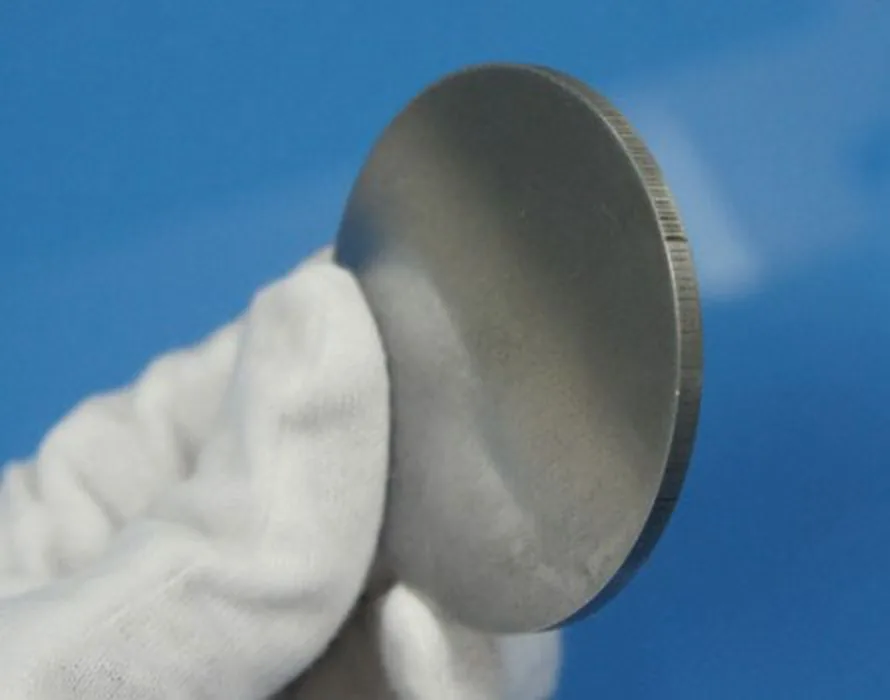
Chromium target
High-purity chromium sputtering targets deposit thin films for hard coatings, electronics and optical devices.
Hard coatingsElectronicsOptical devices Read article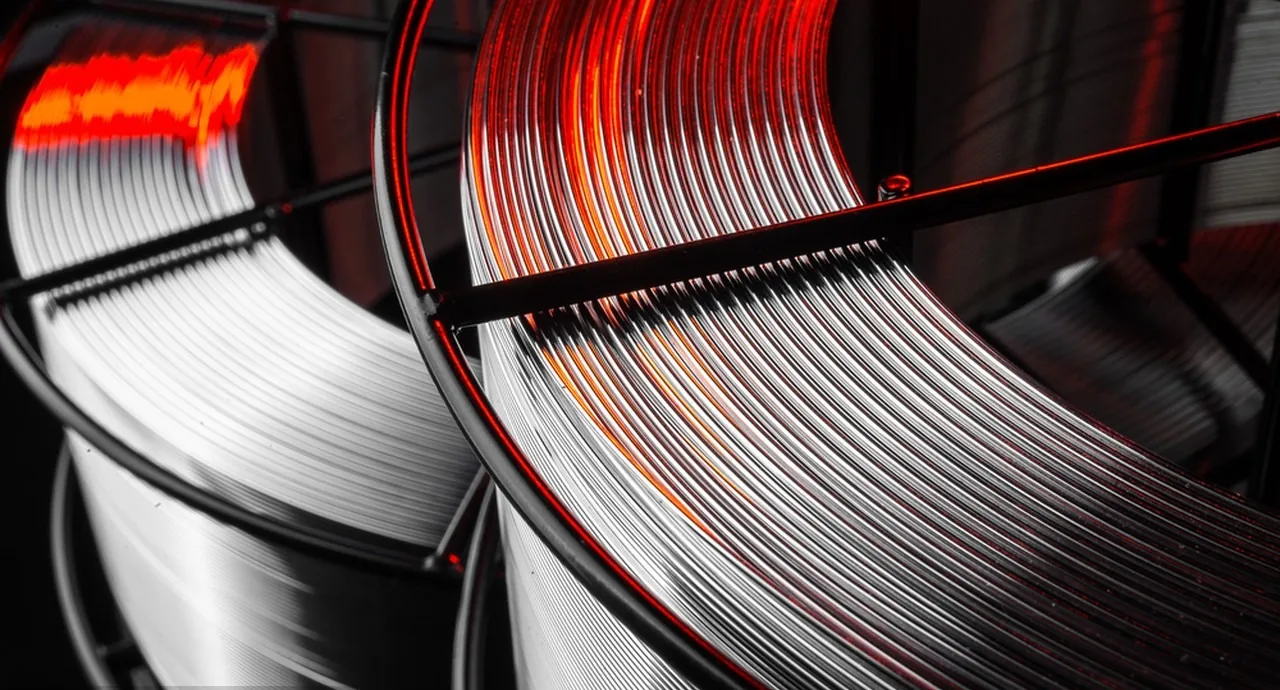
Welding materials
Chromium is a key alloying component in welding electrodes and wires for stainless and heat-resistant steels.
Covered electrodesFlux-cored wiresAgglomerated fluxes Read articleLiterature center
Chromium research, news & knowledge
Research articles, industry news and reference data on chromium metal — its applications in superalloys, coatings and welding — with sources cited throughout.
Research articles
Chromium in Aircraft-Engine Superalloys: The Cr2O3 Shield
How 8–22 wt% chromium builds the protective Cr2O3 film on blades, discs and combustor parts — and the raw-material purity that melt shops demand from their chromium metal.
Read article → Article 02 · ≈10 min readHot Corrosion and the Chromium Content of Gas-Turbine Alloys
Type I and Type II hot corrosion, molten-salt fluxing, and why chromium content governs oxidation weight gain and maximum corrosion depth in land-based turbines.
Read article → Article 03 · ≈10 min readHigh-Purity Chromium Sputtering Targets
Target metallurgy, purity and bonding for CrN, (Cr,Al)N and pure-Cr films in hard coatings, electronics and optical devices.
Read article → Article 04 · ≈10 min readChromium in Welding Consumables for Stainless and Heat-Resistant Steels
Phase balance, ferrite control and chromium metal powder in covered electrodes, flux-cored wires and agglomerated fluxes.
Read article → Article 05 · ≈10 min readChromium in SOFC Interconnects: The Crofer 22 APU Story
Chromia-forming ferritic steels in solid oxide fuel cells: scale conductivity, chromium volatilisation and cathode poisoning.
Read article → Article 06 · ≈10 min readCuCr Contact Materials for Vacuum Interrupters
Copper–chromium contacts: chopping current, dielectric recovery and the role of chromium particle size in vacuum switchgear.
Read article → Article 07 · ≈10 min readCoCrMo Biomedical Alloys: Chromium at the Implant Surface
The Cr2O3 passive film, carbide wear behaviour and medical-grade chromium supply behind cobalt–chrome implants.
Read article → Article 08 · ≈10 min readAl–Cr Master Alloys: Delivering Chromium to the Melt
Intermetallic carriers, aluminothermic manufacture and chromium recovery in titanium, superalloy and aluminium practice.
Read article →News & standards
Standard · 2023
GB/T 3211-2023: revised Chinese national standard for chromium metal
The revised standard defines the chemical composition and designation system for chromium metal grades (JCr series) used by Chinese producers and melt shops, including sampling rules and the method-of-difference reporting practice for the chromium content. Source: GB/T 3211-2023, Standardization Administration of China.
Standard · 1994
ISO 10387:1994 — the international designation system for chromium metal
ISO 10387:1994 establishes the ECr, RACr and ACr designation system for electrolytic, refined-aluminothermic and aluminothermic chromium metal, so that buyers and melt shops worldwide can compare grades from different origins. Source: ISO 10387:1994.
Company · 2026
DELIKEMETAL chromium metal product series and literature center go online
The DELIKEMETAL chromium metal page now publishes complete specifications for the ACM block, ACMP powder, VGDC vacuum-degassed and ECM electrolytic series, together with this literature center collecting news, reference data and application research articles. Source: DELIKEMETAL.
Chromium at a glance
Our company
We are deeply involved in the chromium materials industry
We are part of the DELIKE GROUP. The quality of chromium metal is determined by the process as well as the raw material, and we rely on DELIKECHEM advantage of producing chromium oxide green to control the quality of chromium metal from the source in a long chain.

DELIKEMETAL — CHROMIUM: Strength, Corrosion Resistance, For Extreme Performance.
Contact us